
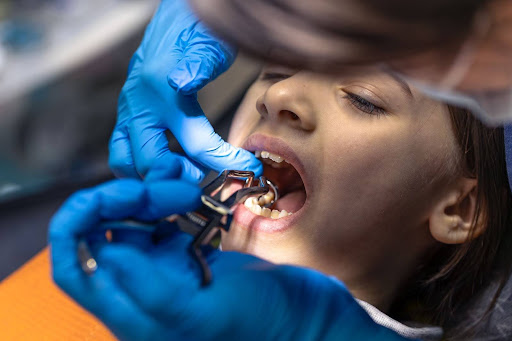
Impacted and broken teeth present unique challenges that go beyond routine dental care. These conditions often require special extraction techniques to ensure safe and effective treatment. When left untreated, they can cause pain, infection, or damage to surrounding teeth. At New Hope Dental Care in Raleigh, NC, you have access to advanced tooth extraction Raleigh, NC services designed to handle these complex cases with precision and care.
Understanding the Types of Extractions
Tooth extractions generally fall into two main categories:
Simple Extraction
- Used when the tooth is visible above the gum line.
- Performed with standard dental instruments such as forceps and elevators.
- Usually recommended for teeth that are intact and easily accessible.
Surgical Extraction
Required when the tooth is:
- Severely decayed
- Broken below the gum line
- Impacted in the jawbone
It may involve lifting gum tissue or removing small sections of bone to reach and remove the tooth entirely. Wisdom teeth are one of the most common cases that require surgical extraction, especially when they are impacted. Without proper removal, they can lead to pain, infection, or crowding, making timely treatment necessary.
New Hope Dental Care: Making Tooth Extractions A Stress-Free Experience
At New Hope Dental Care, we understand that you may not look forward to losing a tooth. Still, when an extraction becomes necessary, our priority is to make the process as safe and comfortable as possible. Our skilled dental team provides advanced tooth extraction in Raleigh, NC, using modern techniques and a gentle approach to ensure every treatment is completed with care.
You can feel confident knowing that extractions are only recommended when they are the best option for your overall health and well-being. When a tooth is damaged, severely decayed, or beyond repair, the focus is on removing it in a way that protects the surrounding bone and gum tissue.
With advanced imaging and treatment methods, each procedure is carefully planned to minimize discomfort, promote faster healing, and provide you with peace of mind throughout the entire process.
Why Severely Decayed Teeth Require Special Care?
Extracting a severely decayed tooth is not as straightforward as removing a healthy one. Since decay weakens the tooth’s structure, it may fracture during removal. If pieces of the root remain, they can cause infection and delay healing.
With advanced techniques, your dentist can carefully section the tooth and remove it in smaller parts, ensuring complete removal while protecting the surrounding bone and gum tissue. This extra care helps prevent complications such as swelling, dry socket, or lingering discomfort and creates a healthier foundation for recovery.
The Complexities of Impacted Teeth
Impacted teeth are those that remain trapped beneath the gum line or grow at unusual angles. These teeth can press against neighboring teeth, causing chronic pain. Surgical extraction is required in these cases because your dentist must expose the tooth and, in some cases, remove part of the surrounding bone to gain full access. Through advanced planning and surgical precision, impacted teeth can be removed with minimal trauma, supporting quicker recovery and long-term oral health.
Broken Teeth and Hidden Root Fragments
When a tooth breaks at or below the gum line, it cannot be removed with standard tools. In these cases, surgical methods are used to locate and remove root fragments. This is essential to prevent infection and prepare the site for restorative options such as dental implants, bridges, or dentures. Sometimes a tooth may fracture during removal. If this occurs, surgical techniques enable a safe and complete extraction of the tooth.
Comfort and Care During Extractions
Your comfort is always the top priority during an extraction. Local anesthesia is used to numb the area thoroughly, and additional comfort options may be offered if your case is more complex or if you feel anxious about the procedure. Gentle surgical techniques are designed to reduce trauma, making the treatment more comfortable and helping you heal faster.
Recovery After Tooth Extraction
Healing after extraction requires careful follow-up. You may be advised to rest, avoid strenuous activity, and follow specific oral hygiene instructions. Cold compresses help reduce swelling, and prescribed medications can manage discomfort. A soft-food diet for the first few days supports healing, while avoiding straws and tobacco products reduces the risk of complications such as dry socket. With the proper care, most patients experience a smooth recovery and return to normal activities within a few days.
Supporting Long-Term Oral Health
Tooth extraction in Raleigh, NC, is just one part of maintaining your oral health. Preventive care, such as regular checkups, cleanings, and early treatment of cavities, can help reduce the need for extractions. If you lose a tooth, restorative options such as implants, bridges, or dentures can restore both function and appearance, allowing you to smile with confidence.
Conclusion
Severely decayed tooth extraction, broken, or impacted teeth often require more than standard dental procedures. With advanced surgical techniques and a comprehensive range of extraction services, New Hope Dental Care provides the care you need to remove compromised teeth safely and protect your long-term oral health.
If you’re experiencing pain from a severely decayed tooth, need wisdom tooth removal, or require emergency tooth extraction in Raleigh, NC, contact New Hope Dental Care today to schedule your consultation and take the first step toward restoring your smile.
Your smile deserves the best—contact New Hope Dental Care for tooth extractions in Raleigh, NC.