
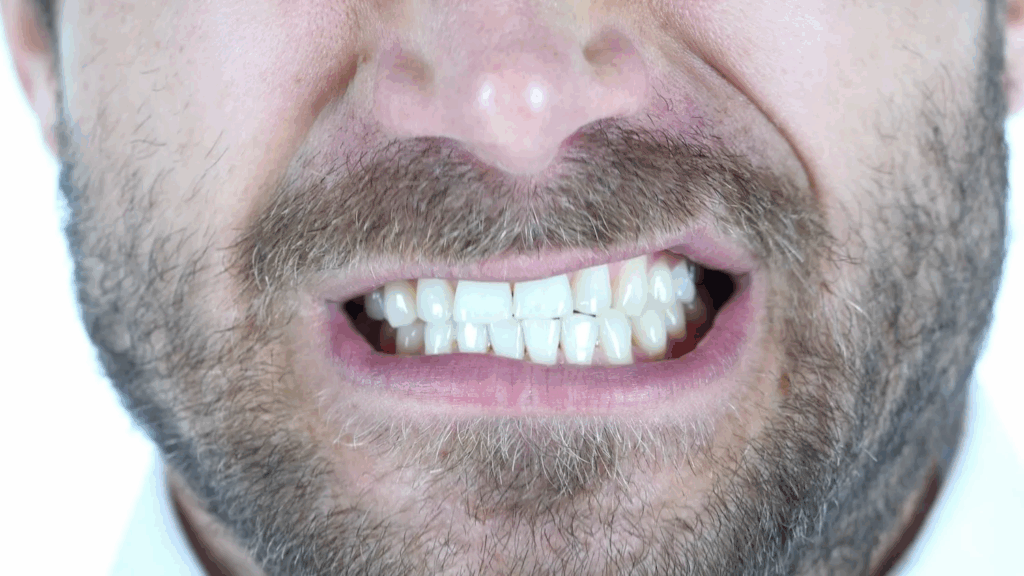
Morning jaw aches that fade by lunch. Headaches that start behind the temples. Teeth that feel a little shorter than they used to. If any of that sounds familiar, you might be grinding at night and not know it.
Many people only figure it out after a partner hears the noise or a tooth chips during breakfast. If you are searching for a dentist near Wake Forest, NC, this is your sign to stop guessing and get answers.
At New Hope Dental Care, we see bruxism show up in all kinds of ways. Some patients have obvious wear. Others just have tight, tender jaw muscles and morning headaches. The good news is there are clear steps you can take to protect your teeth, calm your jaw, and sleep better.
The sneaky signs you are grinding in your sleep
- Morning jaw soreness or tightness that eases during the day
- Headaches that start near the temples or behind the eyes
- Tooth wear or small chips that seem to appear without a big incident
- Receding or irritated gums in spots where the bite hits hard
- Tooth sensitivity to cold or pressure
- Clicking or popping in the jaw joint
- A partner who hears grinding even if you do not feel it
Any one sign can have more than one cause, which is why a dental exam matters. We look at the full pattern rather than chasing a single symptom.
Quick self-checks you can try this week
- Morning check-in: run your fingertips along your jawline and cheeks before coffee. Tender areas are a clue.
- Tongue test: if you see scalloped edges on your tongue, you may be pressing it against your teeth during the night.
- Tooth edge scan: close gently and slide your lower teeth forward and back. If the edges feel sharp or sandpaper-like, there may be wear.
Symptom journal: jot down sleep hours, stress level, caffeine or alcohol late in the day, and morning jaw comfort. Patterns help us tailor a plan.
Why grinding happens
Grinding is usually a mix of factors, not a single villain. Stress ramps up muscle tension. Some medications and stimulants can increase clenching. Bite alignment issues can overload specific teeth.
Allergy season and mouth breathing can change jaw posture during sleep. Sleep apnea may play a role for some people. During your visit we sort through these possibilities, keep the focus on what is most likely for you, and build a practical next step.
How we evaluate grinding at New Hope Dental Care
Our bruxism visits are structured but conversational. We start with your symptoms and routines, then look closely at the teeth, gums, and jaw function. We check for signs of wear, measure bite contacts, and note any muscle tenderness. From there we discuss options that fit your life and your goals.
Depending on what we find, your plan may include:
- Monitoring and conservative steps if the signs are mild
- A protective night guard to reduce mechanical wear and relieve muscle load
- Selective bite adjustments or restorative work if a few teeth are taking too much force
- A referral for a sleep evaluation if symptoms suggest airway issues
Our goal is simple. Protect your smile, reduce pain, and keep the plan realistic so you actually follow it.
Night guards 101: store-bought vs custom
Not all guards are created equal. Over-the-counter guards are affordable and easy to grab, which can be a helpful short-term start. The tradeoff is bulk, movement during sleep, and uneven contact that may not protect the right teeth.
Custom guards are designed around your bite so they stay put and distribute force more evenly. We discuss material options, thickness, and comfort so you understand what will feel good and last. If a guard is right for you, a custom fit is often the most comfortable way to protect your teeth and jaw over the long haul.
Simple changes that help tonight
- Trim late caffeine and alcohol: Both can increase clenching and disturb sleep.
- Heat and stretches: A warm compress along the jaw followed by gentle opening and side-to-side movements helps muscles settle.
- Posture reset: Keep screens at eye level and shoulders relaxed. All-day hunching feeds nighttime tension.
- Mouth taping and nasal support are not one-size-fits-all: Discuss airway strategies with a clinician before trying internet hacks.
- Guard care: If you already use a guard, clean it daily, let it dry fully, and bring it to your visit so we can check fit and wear.
Special notes for kids and teens
Kids can grind, especially during growth spurts or allergy seasons. Many outgrow it, but heavy wear or jaw pain calls for a checkup. We look at airway health, habits, and tooth development. A simple plan and watchful follow-ups often keep things on track without over-treating.
Invisalign, retainers, and grinding
If you wear aligners or retainers, grinding can damage plastic and reduce effectiveness. Tell us what you use and how often. We will check for wear patterns, review your cleaning routine, and discuss whether a different appliance strategy is smarter during sleep.
What to expect at your bruxism visit
- Conversation first: You talk. We listen. We want to know what your mornings feel like and what your nights look like.
- Focused exam: We evaluate teeth, gums, bite contacts, and jaw muscles.
- Plain-language plan: You leave with clear steps, not a pile of jargon. That might be a custom guard, a short follow-up to review symptoms, or a referral we coordinate if another specialist would help.
If you have been looking for a dentist near Wake Forest, NC, you do not need a complicated project. You need a plan that meets you where you are and actually fits your life.
Why act now instead of waiting
Grinding damage is gradual until it is not. Small chips turn into cracks. Enamel thins and sensitivity increases. Restoring a single tooth is more time-consuming and costly than preventing wear across your whole bite. Early action protects your smile, your sleep, and your budget.
Ready to protect your teeth and sleep better
You do not have to live with morning jaw pain and mystery headaches. With the right evaluation and a plan that matches your habits, you can protect your teeth and wake up with less tension.
If you are searching for a dentist in Garner, NC, we are ready to help you sort out the signs and stop the damage.
Request an appointment and we will walk you through a simple, step-by-step plan that fits your routine.