
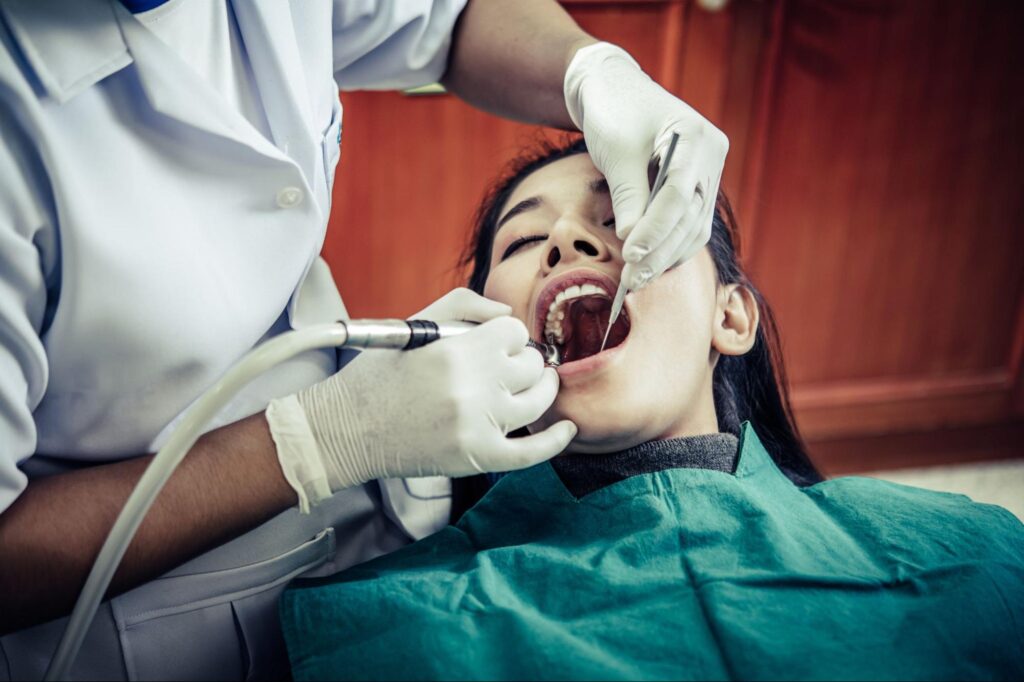
Dental emergencies can happen without warning, often at the most inconvenient times. Whether it is sudden pain, a chipped tooth, or unexpected swelling, these situations can interrupt daily routines and create significant discomfort.
Understanding the most common dental emergencies and the steps to take before seeking dental care can help manage symptoms and prevent further complications. For anyone trying to prevent dental emergencies in the future, knowing the right first-response actions is just as important as seeking timely care.
A dental emergency can affect anyone, whether dealing with long-term oral health concerns or managing an immediate issue. The goal is to stay calm, handle the situation correctly, and contact a dental clinic near Youngsville as soon as possible.
Below are the most common dental emergencies and what can be done before arriving for treatment.
Read The following!
1. Toothaches
A toothache is one of the most common dental emergencies. Pain may be constant or may appear suddenly when biting or chewing. While the cause can vary, the discomfort can quickly disrupt daily activities.
What to do before reaching the dentist:
- Rinse the mouth with warm water to keep the area clean.
- Gently floss around the affected tooth to remove trapped food particles.
- Avoid placing aspirin directly on the gums, as it may irritate the tissue.
- Contact the dentist if the pain persists, becomes severe, or is accompanied by swelling.
Toothaches are often preventable with routine exams, cleanings, and early detection. This is where regular dental visits play an essential role in preventing dental emergencies.
2. Chipped or Broken Teeth
A chipped or broken tooth can happen from biting something hard, a fall, or an unexpected accident. Even minor fractures can expose sensitive areas and worsen if left untreated.
What to do before reaching the dentist:
- Save any broken pieces, if possible.
- Rinse the mouth with warm water to clear debris.
- Apply a cold compress to reduce swelling.
- Avoid chewing on that side of the mouth.
Seeking timely care helps preserve the tooth and prevent further damage.
3. Knocked-Out Teeth
A knocked-out tooth is one of the most urgent dental emergencies. The first few minutes are crucial for improving the possibility of saving the tooth.
What to do before reaching the dentist:
- Hold the tooth by the crown and avoid touching the root.
- Rinse it gently if dirty, but do not scrub.
- Try placing the tooth back into the socket without forcing it.
- If that is not possible, keep it in milk or store it between the cheek and gums.
- Contact the dentist immediately so they can prepare for care upon arrival.
Quick action is essential in these cases, making it necessary to have a trusted dental clinic near Youngsville ready for emergencies.
4. Lost or Damaged Fillings and Crowns
Losing a filling or having a crown become loose exposes sensitive areas of the tooth, increasing the chance of discomfort or further decay.
What to do before reaching the dentist:
- Keep the area clean and avoid chewing on that side.
- If a crown has fallen off, store it safely and bring it along.
- Over-the-counter temporary dental material may help protect the area briefly.
Promptly restoring the tooth reduces the risk of additional complications.
5. Soft Tissue Injuries
Cuts, tears, or injuries to the gums, lips, or inside of the mouth can cause bleeding and discomfort. These injuries often happen during sports, accidental bites, or impacts.
What to do before reaching the dentist:
- Rinse the mouth with warm water.
- Apply gentle pressure to control bleeding.
- Use a cold compress for swelling.
- Seek professional attention if bleeding does not stop or if the injury appears deep.
Soft tissue injuries may look minor, but often require a professional evaluation to ensure proper healing.
6. Abscesses
An abscess is a severe infection that affects the root of a tooth or the surrounding gum tissue. It often appears as a swollen area and may be accompanied by pain, fever, or a bitter taste.
What to do before reaching the dentist:
- Rinse with a mild saltwater solution to reduce bacteria.
- Avoid squeezing or pressing the swollen area.
- Seek immediate dental care, as infections can spread quickly.
Early treatment safeguards oral health and prevents serious complications.
How New Hope Dental Care Helps In Preventing Dental Emergencies
Many dental emergencies develop from issues that were left untreated or overlooked for too long. Routine exams, cleanings, and preventive care help detect concerns early, strengthen oral health, and reduce the likelihood of sudden pain or damage. Consistent checkups also make it easier to address small problems before they turn into urgent situations.
New Hope Dental Care provides comprehensive dental services designed to support long-term oral health for individuals and families in the area. The practice focuses on patient education, preventive treatment, and personalized care so patients can understand their oral health needs and take the right steps to prevent dental emergencies. With a welcoming approach and modern treatment options, the team ensures that patients receive the support they need for ongoing comfort and confidence in their daily lives.
Conclusion
Dental emergencies can be stressful, but knowing how to respond before reaching a dentist can make a significant difference in protecting your oral health. Whether dealing with sudden pain, a broken tooth, or an urgent infection, taking the right first steps helps prevent the problem from getting worse. Staying consistent with preventive visits and receiving care from a trusted provider also reduces the chances of unexpected issues.
If you are facing a dental concern or want guidance on preventing dental emergencies, reach out today to schedule an appointment with New Hope Dental Care and receive the care you need.