
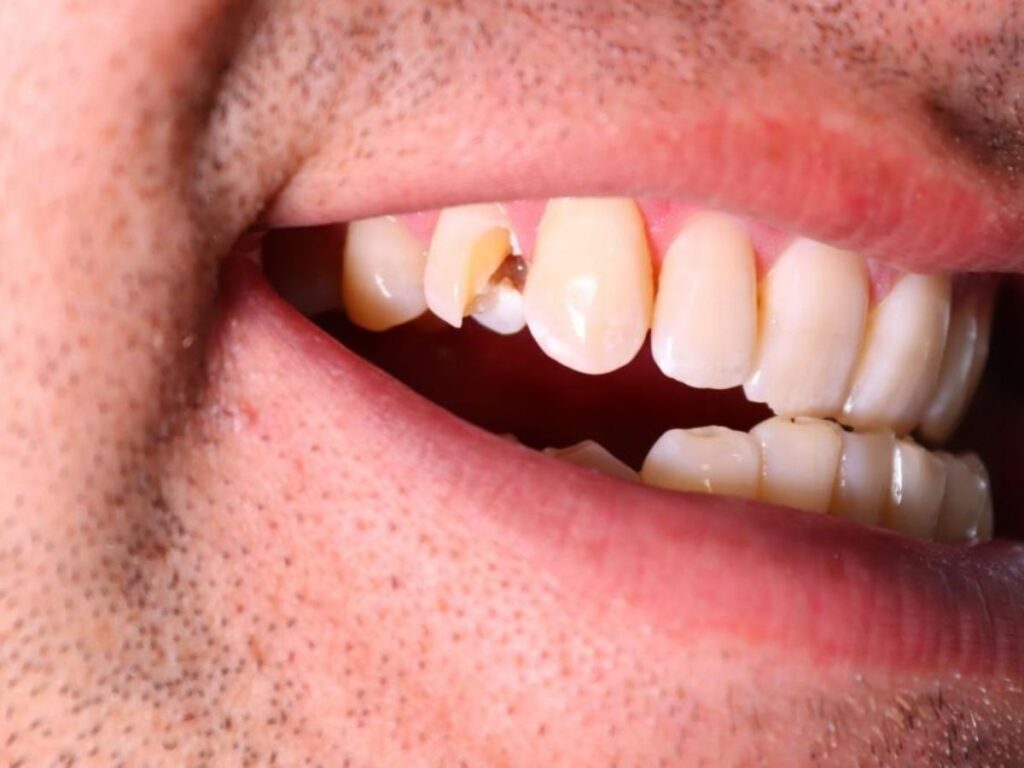
A cracked tooth can be easy to miss because the pain often shows up only when you bite down or release pressure. That is why so many people ignore it at first, even though the tooth may already be under stress. If you are searching for the best dentist in Knightdale, NC, this is one of those problems worth checking sooner rather than later.
Many people also do not realize a tooth can crack even if it has never had a filling, crown, or other dental work. A healthy-looking tooth can still develop a small fracture from grinding, clenching, or biting something hard. What feels like a minor annoyance today can turn into a deeper crack that is harder and more expensive to treat.
What is cracked tooth syndrome?
Cracked tooth syndrome is a small fracture in a tooth that may not be obvious during a quick glance in the mirror. The tooth is not always broken in a dramatic way. Instead, it may flex slightly under pressure, which triggers discomfort when you chew.
That subtle pattern is what makes this issue so sneaky. You might feel fine between meals, then get a quick, sharp pain on one side while eating. Because the pain comes and goes, many people wait too long to have it evaluated.
Why does a tooth hurt only when you chew?
Pain during chewing often happens because pressure causes the cracked area to move. That movement can irritate the inner part of the tooth and create a sharp, pinpoint sensation. Some people notice it most when biting down. Others feel it when releasing the bite.
This pattern matters because it points to a structural issue, not just general sensitivity. If the same tooth keeps bothering you during meals, it is a sign that normal chewing may be adding stress to a weak spot.
Can a tooth be cracked without a filling or cavity?
Yes. A tooth does not need past dental work to develop a crack. In fact, one reason people miss this problem is that they assume only heavily restored teeth are at risk.
Natural wear, clenching, grinding, and biting into hard foods can all create small fractures over time. That means a tooth that has always seemed healthy can still become painful in a very specific way.
What symptoms should you watch for?
Cracked tooth syndrome does not always look dramatic, so symptoms usually tell the story first. Common signs include:
- Sharp pain when chewing
- Pain that comes and goes
- Sensitivity to cold
- Discomfort that is hard to pinpoint
- A tooth that feels “off” even if you cannot see damage
If the discomfort keeps returning to the same spot, do not assume it will simply settle down on its own.
How do dentists diagnose a cracked tooth?
Diagnosis usually starts with your symptom pattern. The timing of the pain, what triggers it, and whether it happens on one side all help narrow things down. A dentist may also examine the tooth closely, check how it responds to pressure, and use imaging to look for deeper concerns.
This is one reason choosing the best dentist in Knightdale, NC is not just about convenience. It is about getting a careful evaluation before the crack worsens and your treatment options narrow.
What happens if you wait too long?
A small crack can become a bigger problem if the tooth keeps absorbing chewing forces every day. What starts as occasional pain may progress into a deeper fracture, more severe sensitivity, or damage that reaches the inner part of the tooth.
Waiting also creates more uncertainty. The longer you push through the symptoms, the harder it can be to know whether the tooth needs simple protection or more involved treatment. Early evaluation gives you a better shot at protecting the tooth before the damage spreads.
Will a cracked tooth always need a crown or root canal?
Not always. Treatment depends on how deep the crack is, where it is located, and whether the inner pulp of the tooth has been affected. Some teeth can be protected before the crack becomes more serious. Others need more involved care because the damage has already progressed.
That is why self-diagnosing online only gets you so far. The real question is not whether cracked teeth always need one treatment. It is what your specific tooth needs right now.
What should you do before your appointment?
Try to avoid chewing on the painful side. Stay away from hard, crunchy, or sticky foods that put extra pressure on the tooth. Do not keep testing the tooth to see whether it still hurts. Repeating that pressure can make the irritation worse.
If the pain becomes constant, swelling develops, or a piece of the tooth breaks, get seen as soon as possible. Problems that feel small at first do not always stay that way.
Why local evaluation matters
When chewing pain keeps coming back, you want answers you can act on quickly. At New Hope Dental Care, we help patients in Raleigh and nearby communities, including Knightdale, understand what is causing the pain and what the next step should be.
With general, restorative, and emergency dental services in one place, we can evaluate the issue and talk through practical treatment options based on what the tooth actually needs.
Do not ignore a tooth that only hurts when you chew
Cracked tooth syndrome is easy to dismiss because it often starts with brief, inconsistent pain. That does not make it harmless. A small fracture can become a much bigger problem if everyday chewing keeps stressing the tooth.
If you are looking for the best dentist in Knightdale, NC and want clear answers before the issue gets worse, request an appointment with us at New Hope Dental Care.
1 Comment. Leave new
[…] need crowns, and crowns run $1,200 to $1,800 each. Severe wear can mean rebuilding an entire arch. Cracked teeth from clenching turn into root canals. A single crown costs more than the guard that would have prevented […]